One of the things I enjoy most about continuing professional development is coming across research that makes me stop and think about something I thought I already understood. Recently, I completed a CPD course on Menopause, which prompted me to explore the paper Sex Differences in Neuromuscular Ageing: The Role of Sex Hormones by Piasecki et al. (2024) (link below).
While we often discuss ageing in terms of muscle mass loss, strength reduction, and declining physical function, this paper led me to consider a different question: Are men and women experiencing neuromuscular ageing in the same way? The authors suggest that they may not be.
The sharp decline in sex hormones around menopause may accelerate the decline in muscle and neuromuscular function rather than it being a gradual aging consequence.
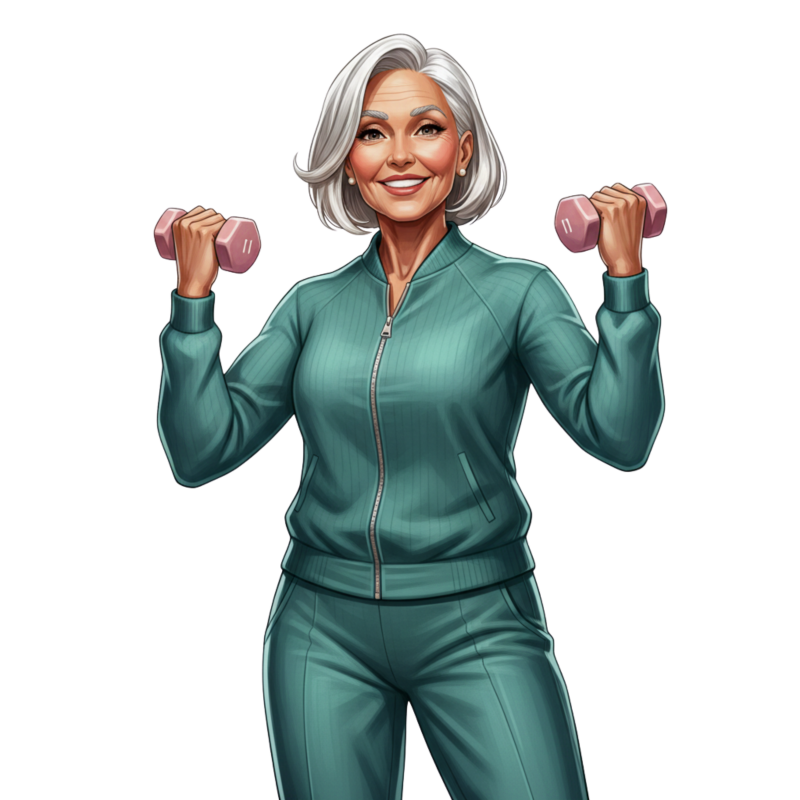
Menopausal transition is a significant phase in the neuromuscular aging process for women. Discussions on menopause often highlight visible effects like changes in body composition, bone health, sleep disturbances, or vasomotor symptoms. However, it's equally important to focus on strength, muscle function, and the nervous system.
The neuromuscular system relies on effective communication between the nervous system and muscles. Motor units, consisting of a motor neuron and the muscle fibers it innervates, are crucial for generating force and movement. The paper suggests that fluctuations in sex hormone levels may affect neural control aspects, including motor unit activation and signaling to motor neurons.
Why does this matter?
If the menopausal transition accelerates neuromuscular decline, we shouldn't wait until later in life to consider prevention when strength, balance, or function are already lost. Instead of seeing strength training as a late-life solution, developing neuromuscular capacity earlier could help women maintain strength and function into later life. This is crucial because physical function impacts more than just performance. Strength fosters independence, mobility, and the ability to handle daily demands. Losing this capacity can lead to frailty and a lower quality of life.
This research does not definitively prove that menopause accelerates muscle aging, but it does suggest a potential link. Recent studies indicate that muscle function begins to decline more significantly around the age of 40 in women, influenced by hormones, body composition, and lifestyle factors. However, further research is essential to determine the extent to which menopause contributes to this decline.
Both men and women experience neuromuscular ageing, but it may differ, especially due to hormonal changes in women during and after menopause. More research is needed to understand how hormones, lifestyle, and muscle mass affect ageing in both sexes.
Instead of just asking how to address muscle loss after it occurs, we should focus on empowering women to build and maintain muscle strength during midlife, giving them a stronger foundation as they age. This approach offers a more optimistic view of aging.
Add comment
Comments